


Sorry, no sales person is available right now to take your call. Pls leave a message and we will reply to you via email as soon as possible.
Home/ News/ The price of DDR4 has surged tenfold compared to DDR5, placing significant pressure on the supply chain and leading to a continuous spread of price increases throughout the industry!
The price of DDR4 has surged tenfold compared to DDR5, placing significant pressure on the supply chain and leading to a continuous spread of price increases throughout the industry!
2026-02-05
In the semiconductor memory industry, technological iteration has always been a barometer for shifts in market value. Since the DDR5 standard was introduced and commercialized over four years ago, industry norms would suggest that its predecessor, DDR4—the mainstream product at the time—should have gradually stepped back from center stage, ceding market share and pricing dominance. However, market performance over the past year has defied this expectation entirely, presenting an astonishing anomaly: DDR4 memory prices have surged far beyond market forecasts and even significantly outpaced those of the more advanced DDR5 technology. This phenomenon—where a previous-generation product experiences a steeper price increase than its successor—is unprecedented in the decades-long history of the memory industry, drawing widespread attention and deep reflection across the entire supply chain.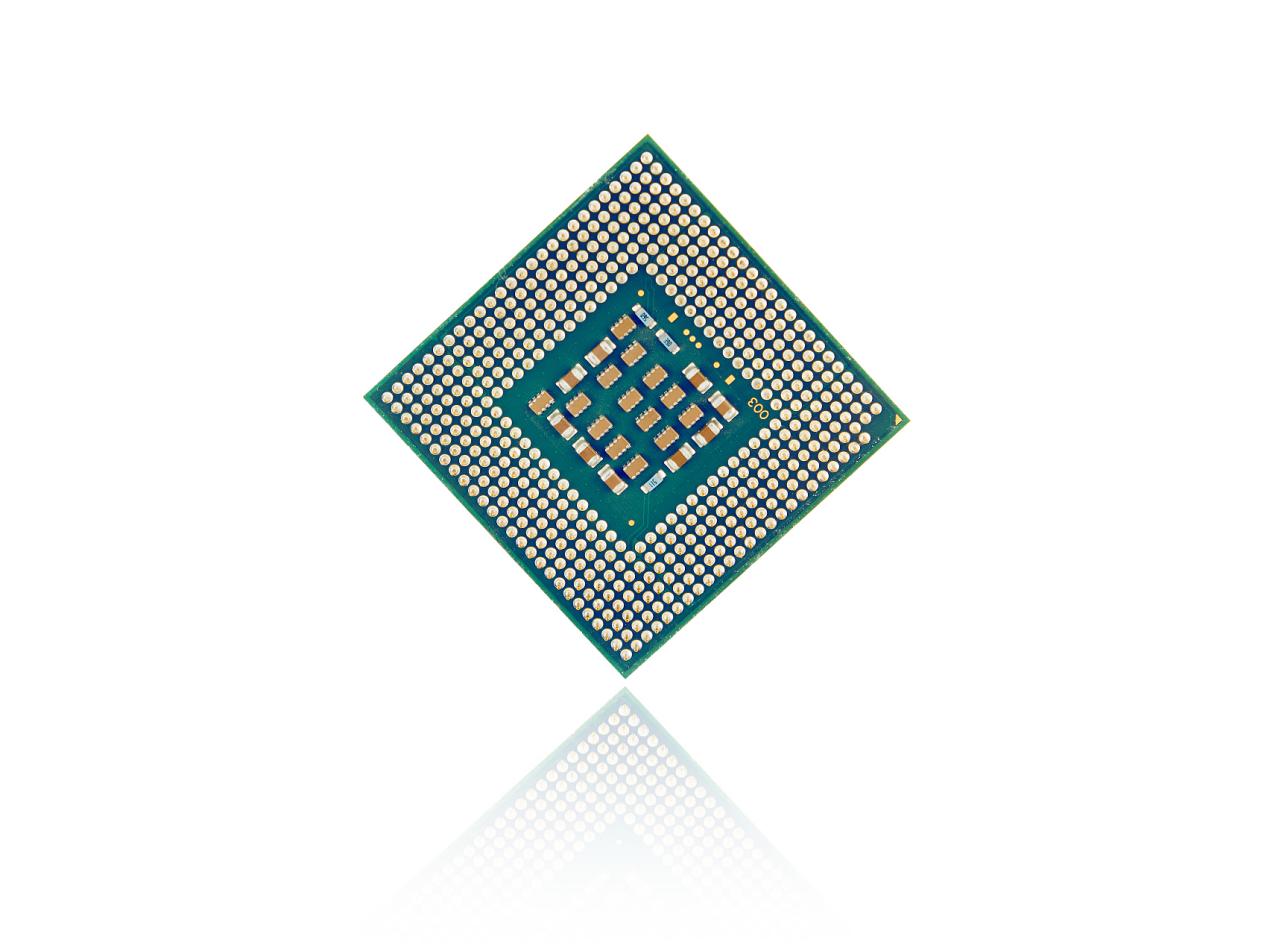
I. Anomalous Price Surge: DDR4 Soars Nearly 19-Fold, Starkly Contrasting with DDR5
Market data reveals the intensity of this anomaly. Starting from Q3 of last year, the spot memory market entered an upward price channel. While DDR5 prices rose significantly—with cumulative gains exceeding threefold—the surge in DDR4 prices has been nothing short of “explosive.” According to industry tracking data, as of January 26, 2026, spot prices for mainstream DDR4 memory chips had skyrocketed by approximately 1,845% compared to their low point a year earlier—approaching a nineteen-fold peak.
A closer look shows that DDR4’s price rally did not happen overnight. In fact, prices began trending upward as early as the beginning of last year. The uptrend became increasingly evident in the first half and accelerated sharply in the second half. Meanwhile, DDR5—positioned as a higher-end, newer-generation product—also posted notable gains during the year, with an annual increase of roughly 465% (nearly fivefold). Yet even this substantial rise pales in comparison to DDR4’s near-nineteen-fold surge, completely overturning the traditional price logic associated with technology adoption cycles.
II. Core Drivers: AI Boom Triggers Structural Capacity Shift, Exacerbating Supply-Demand Imbalance
The primary and most powerful driver behind DDR4’s extraordinary price spike is the explosive growth of the artificial intelligence (AI) industry. Today, high-end AI training and inference chips demand memory bandwidth at an almost insatiable level, making high-bandwidth memory (HBM) a strategic battleground for the industry. To meet the massive and urgent HBM demands from global AI chip giants, leading memory manufacturers—including Samsung, SK hynix, and Micron—have collectively redirected significant portions of their advanced-process wafer capacity away from conventional commodity DRAM production lines (including both DDR4 and DDR5) toward the more complex and higher-value HBM product lines.
This large-scale structural shift in capacity has directly led to a sustained reduction in wafer allocation for DDR4 and DDR5 production. Although DDR5, as a next-generation product, was already on a steady capacity expansion trajectory, DDR4 has faced more pronounced capacity constraints as a result. With market demand—particularly from data centers, server upgrades, and vast legacy installations—remaining relatively stable or even growing, the sudden tightening of DDR4 supply has rapidly intensified supply-demand imbalances.
Moreover, another critical factor has amplified market anxiety. Unlike in previous cycles, major memory manufacturers have adopted an unusually cautious stance this time around, refraining from announcing aggressive capacity expansion plans. Instead, they have largely maintained their current pace of capacity growth, focusing instead on improving output efficiency for high-margin products like HBM. This collective restraint in capacity investment has eliminated near-term hopes for significant supply increases, further reinforcing upward price expectations and fueling continued price escalation.
III. Ripple Effects: Cost Pressures Spread Across Consumer Electronics and Smart Automotive Sectors
The shortage of memory resources and soaring prices have long since spilled beyond traditional data center and server domains, rapidly permeating a broader range of end applications. The consumer electronics sector—particularly PCs and smartphones—has been hit first, with rising memory costs directly pressuring manufacturing expenses and potentially affecting product pricing strategies and manufacturer profit margins.
The next sector likely to face even greater pressure is the automotive industry, especially smart vehicles undergoing rapid intelligent transformation. Modern high-end smart cars now require memory performance and capacity levels comparable to premium consumer electronics. In-vehicle infotainment systems, digital instrument clusters, advanced driver-assistance systems (ADAS), and future fully autonomous driving functions all depend heavily on high-capacity, high-bandwidth DRAM and NAND flash memory.
If current memory price trends persist, the cost of memory modules per smart vehicle could experience a “skyrocketing” increase. This would not only directly erode automakers’ profit margins but could also force difficult trade-offs between performance configuration and cost control—potentially impacting the competitiveness and launch timelines of new models, thereby introducing greater uncertainty and operational pressure across the entire automotive industry.
IV. Price Hikes Spread Widely, with Multiple Component Suppliers Following Suit
Notably, the current wave of price increases extends well beyond memory chips. Due to sustained rises in raw materials, energy, logistics, and labor costs, price hikes are now spreading horizontally across the electronic components industry. Recently, several prominent component suppliers have issued price adjustment notices, signaling that cost pressures are being transmitted throughout the supply chain:
Xiamen Hongfa Electroacoustic: As a key supplier of relays, connectors, and capacitors, the company has officially announced price adjustments for select products—ranging from 5% to 15%—due to significant increases in the cost of primary raw materials.
Nanchong Yihui Electronic Technology (HKR Resistors): In a customer notice, the company explicitly cited sharp and rapid increases in the prices of critical precious metals essential for resistor production, indicating it is considering appropriate price adjustments, with details to be confirmed through sales representatives.
Zhejiang Jiuwei Electronic Technology: This specialty chip resistor manufacturer has issued a price increase notice, attributing the move to severe volatility in precious metal prices, and stated that new orders will be executed based on updated official quotations.
ROHM Semiconductor: This diversified semiconductor manufacturer is also facing cost pressures, with market reports indicating recent price adjustments across certain product lines.
Micron: Beyond its prominence in memory, the company’s other product lines are also affected by the broader industry-wide cost environment.
Analog Devices, Inc. (ADI): The company clearly stated that its price adjustments are primarily driven by persistent inflationary pressures in raw materials, labor, energy, and logistics. The new pricing policy will apply to all newly shipped orders starting February 1, 2026.
These coordinated price actions by component suppliers across diverse segments collectively underscore the pervasive cost challenges currently facing the electronics supply chain. For end-product manufacturers and procurement teams, it is imperative to adopt a holistic view of their supply chains and proactively manage multi-layered price volatility risks—from core chips down to basic components.
Conclusion
In summary, the unprecedented price surge in DDR4 memory is a quintessential reflection of the profound supply chain restructuring triggered by the AI technology revolution. It vividly illustrates how traditional capacity is being squeezed amid the race for cutting-edge technologies, triggering industry-wide ripple effects. For downstream manufacturers and end users, understanding the root causes of this structural shift, implementing prudent procurement and inventory strategies, and actively building diversified and resilient supply chains will be critical to navigating today’s complex market landscape. In the coming period, memory market dynamics will remain highly volatile, closely tied to AI-related capacity allocation, evolving end-market demand, and strategic decisions by major manufacturers—all of which warrant continuous, close attention from all market participants.
Disclaimer: The article and its accompanying image are intended solely for engineers’ reference. For any copyright infringement or other violations, please contact the site administrator. (To learn more about electronic components, visit Banyun IC.)
trending news
Contact Us